How Swiss Payment Systems and Player Registration Protocols Support Responsible Gambling Measures on Mobile Casino Apps
Geschrieben von Sage Hartmann · 18.8.2026
How Swiss Payment Systems and Player Registration Protocols Support Responsible Gambling Measures on Mobile Casino Apps
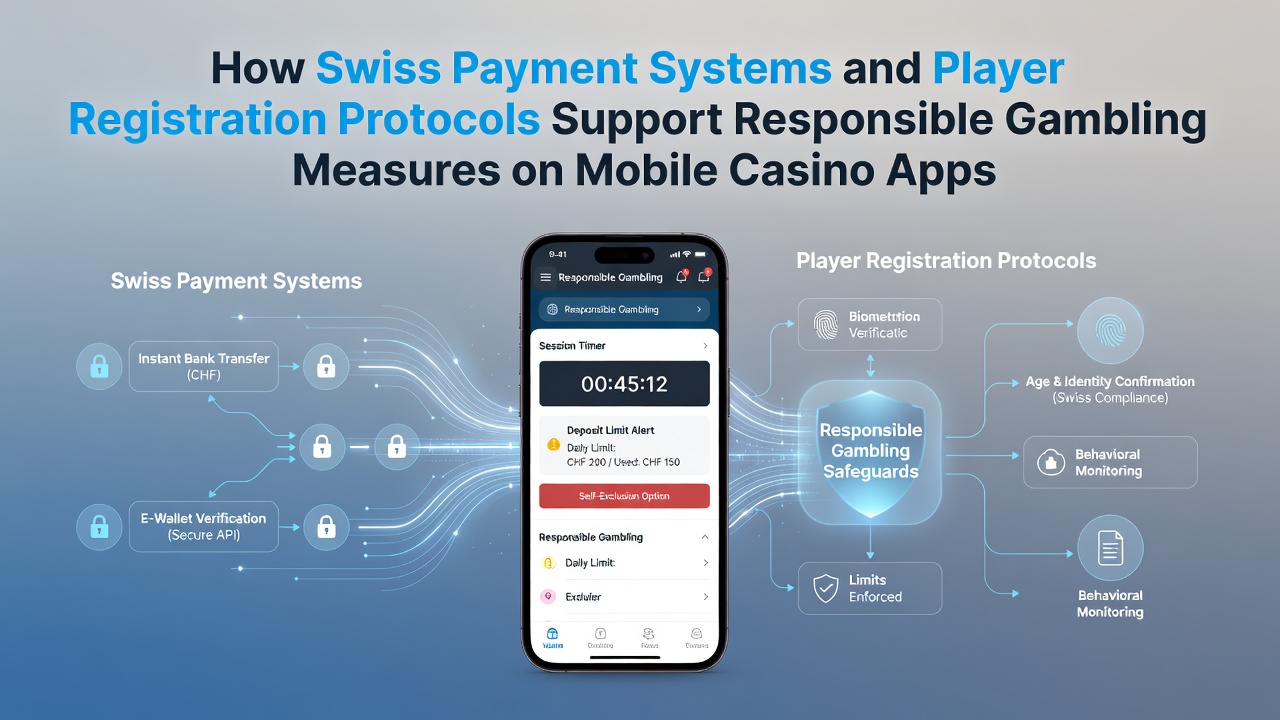
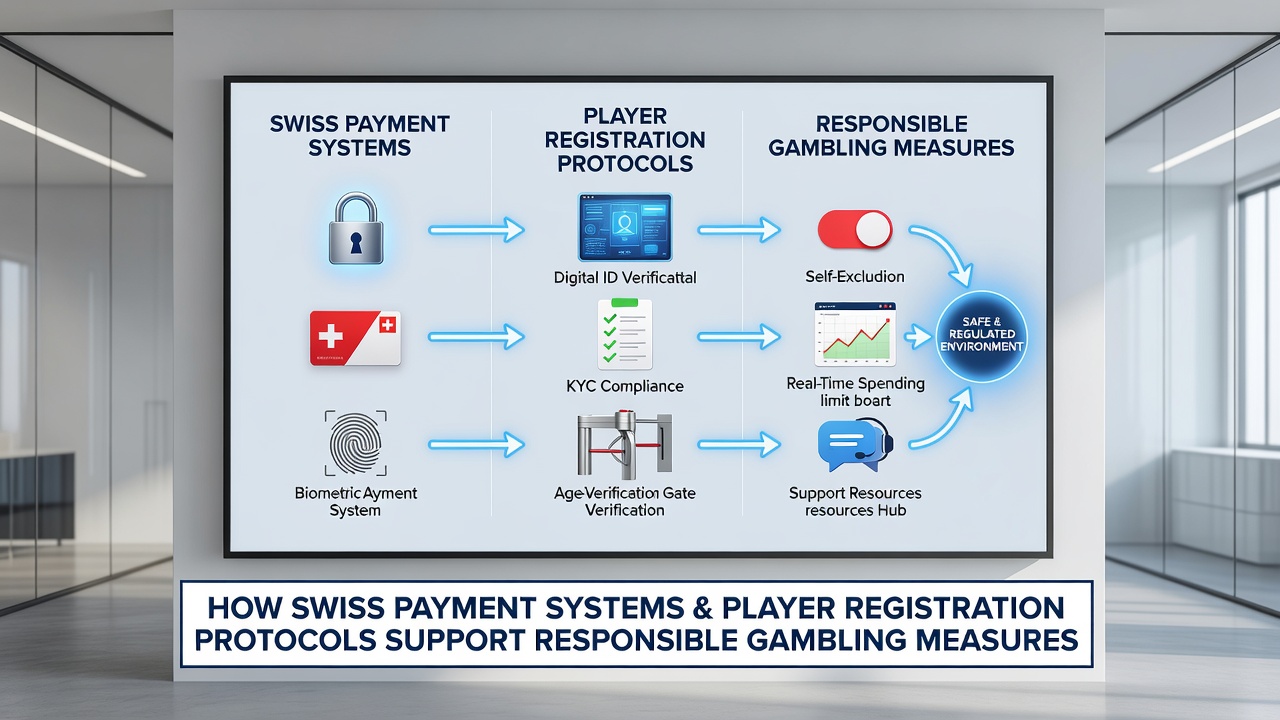
Swiss regulations require mobile casino operators to integrate player registration protocols that verify identity before any gameplay begins. These protocols connect directly to national databases for age confirmation and residency checks while blocking access for individuals who have self-excluded through the official national registry. Data from the Federal Act on Gambling shows that licensed platforms must complete this verification within minutes using document uploads and biometric options available on smartphones. Payment systems in Switzerland add another layer through automated transaction monitoring. Banks and digital wallets enforce deposit caps that align with the self-imposed limits players set during registration. When a user reaches a daily or monthly threshold the system halts further transfers and sends an immediate notification through the app. This integration prevents overspending without requiring manual intervention from the operator.Registration Protocols and Identity Verification
Player registration begins with a mandatory upload of official identification documents such as passports or Swiss ID cards. The system cross-references these against records held by cantonal authorities to confirm the user meets the legal minimum age of 18. Mobile apps streamline this process with optical character recognition that extracts data from photos while maintaining compliance with data protection standards under the Federal Act on Data Protection.
Once verified the account links to the national self-exclusion database maintained by Swiss gambling regulators. Any match triggers an automatic block that prevents account activation. Observers note that this real-time connection reduces the risk of players bypassing restrictions by creating multiple profiles across different operators.
Payment Integration for Limit Enforcement
Swiss payment providers including TWINT and PostFinance participate in responsible gambling frameworks by routing transactions through centralized monitoring tools. These tools compare each deposit request against the player's registered limits before approval. When the request exceeds a cap the payment fails and the app displays a message directing the user to review their settings or contact support services.
Research from the Swiss Federal Gaming Board indicates that this automated approach has led to measurable reductions in excessive play patterns among registered users since the protocols expanded in 2023. Mobile transactions benefit particularly because they occur in real time and allow immediate intervention compared to slower bank transfers used in earlier systems.
Real-Time Monitoring and Intervention Tools
Mobile casino apps incorporate session timers and spending trackers that pull data directly from both the registration profile and linked payment accounts. When activity approaches a preset boundary the app issues alerts and offers options to pause play or adjust limits without leaving the platform. These features rely on secure APIs that connect the app to banking partners and regulatory databases simultaneously.
Case studies from operators licensed in multiple cantons reveal that players who engage with these tools show higher rates of sustained limit adherence. The combination of verified registration data and payment controls creates a closed loop where neither the user nor the operator can easily circumvent the safeguards.
Developments Projected Through August 2026
Regulatory updates scheduled for implementation by August 2026 will require enhanced biometric checks during high-value transactions on mobile platforms. These changes build on existing protocols by adding facial recognition tied to the initial identity verification. Payment systems will also expand support for instant limit adjustments that sync across all licensed apps within seconds of a player request.
Industry reports highlight that such advancements aim to maintain Switzerland's position as a leader in regulated online gambling environments while adapting to increasing mobile usage trends.
Conclusion
Swiss payment systems and player registration protocols work together to embed responsible gambling measures directly into mobile casino operations. Registration ensures only eligible individuals access the platforms while payment integrations enforce financial boundaries without disrupting the user experience. As these systems evolve through 2026 the focus remains on maintaining secure and verifiable controls that support player protection across the sector.